CHN Core Competencies
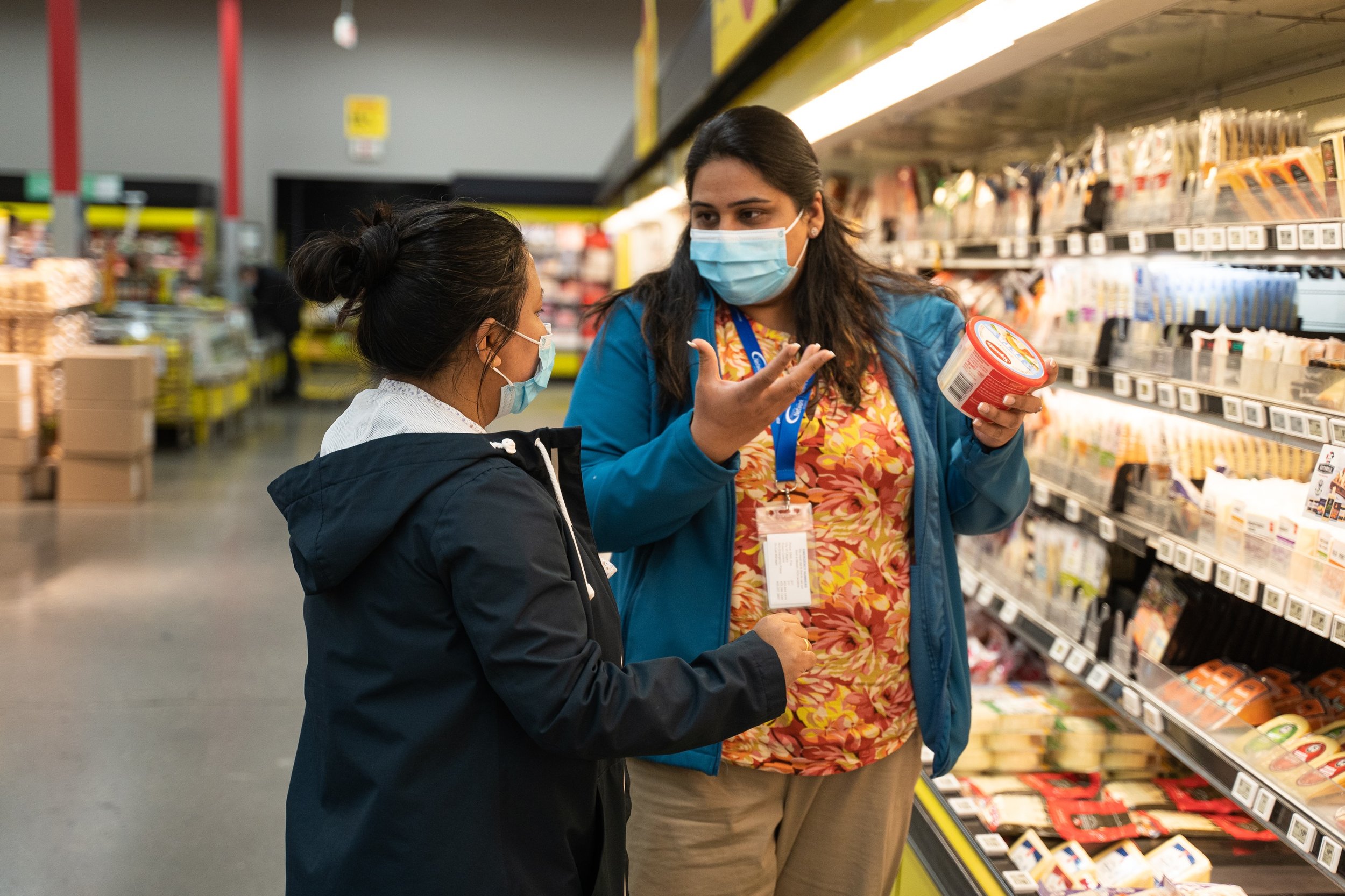
CHNs must possess a set of skills, knowledge, and traits to be successful in their role. While prospective CHNs are screened for characteristics that would support their work, the core competencies are acquired during the core training period.
Core Health & System Knowledge
-
Good understanding of available health services in local community
Community facilities and programs
Urgent care
Community clinics
Pharmacy services
Allied health services
Expert knowledge of Primary Care Network services
Good understanding of the Patient Medical Home
Competent in using healthcare translation/interpretation services
Expert knowledge of referral processes within PCN and external organizations
Ability to educate patients and families on the medical home model, multidisciplinary team care, and the role each member of the care team plays
oes here
-
Basic knowledge of medical terminology
Basic understanding of how specific physical and mental health conditions affect a person’s wellbeing and lifestyle
Expert knowledge of the role of CHNs in supporting patients
Deep understanding of the impact of the social determinants of health iption text goes here
-
Expert knowledge of where patients can access trusted health-related information, and ability to guide/help them in doing so
Expert knowledge of medical and community resources
Ability to provide basic education on the impact of behaviours on health
Ability to understand and interpret a care plan provided by a clinical team escription text goes here
-
Knowledge of, and ability to set, boundaries with physicians and health professionals
Knowledge of, and ability to set, boundaries with patients
Knowledge of role boundaries when supporting patient’s health cription
-
Ability to engage in patient advocacy
Knowledge of patient rights
Knowledge of barriers preventing patients from receiving best care
Understanding of their role in patient advocacy
Ability to educate patients on how to communicate their preferences to their medical team and other professionals, and to advocate for themselves
-
Expert knowledge of community resources and their referral processes
Expert knowledge of health promotion resources and their referral processes
Good understanding of government resources
Expert knowledge of food security resources
Knowledge of financial resources and income security
Relationship & Communication Skills
-
Ability to perform Motivational Interviewing
Knowledge of client values and goal setting
Strong understanding of Stages of Change model
Comprehension of the Role of CHNs in motivating change
-
Ability to build trusting relationships with patients using empathy, integrity, and honesty
Ability to engage in active listening
Ability to communicate effectively with CHN team
Capacity for reflection, self-awareness, and self-location
Written and spoken communication
Ability to use language in ways that engage and motivate
Ability to communicate using plain and clear language
Ability to communicate with all involved parties
Conflict resolution skills and ability to work with challenging patients/care providers
Networking
Ability to communicate effectively with medical professionals/physicians/MDT
Ability to communicate effectively with community members/organizations
-
Knowledge of, and ability to engage in, stress management and self-care
-
Ability to develop self-efficacy in patients via a strengths-based approach and positive reinforcement
Ability to provide choices and encourage engagement in health promotion behaviors via motivational interviewing
Ability to encourage patient to be the driver of their care plan, promoting their role as the key member of their health care team
Ability to support patient adherence to care plan
-
Strong awareness of self and personal biases
Strong knowledge of, and belief in harm reduction, including understanding of differences between harm reduction and harm promotion
Ability to engage patients with a non-judgmental approach
-
Strong awareness of Trauma Informed Care
Understanding of Vicarious Trauma and Compassion Fatigue
Certified in Mental Health First Aid
Certified in Non-Violent Crisis Intervention (NVCI)
Certified in First Aid/CPR
Certified in Applied Suicide Intervention Skills Training (ASIST)
Practice cultural humility
Culture of Respect for Gender and Sexual Diversity Training (Calgary Centre for Sexuality)
Cultural Diversity Training (CCIS)
Operational & Professional Practice
-
Expert knowledge of organizational policies and procedures
Expert knowledge of other staff roles within the organization
Assessment
Ability to assess and prioritize patient needs
Ability to assess readiness to change
Ability to assess personal safety and home visit plan
Ability to assess safety of patient (e.g., knowledge of elder abuse, domestic violence, etc.)
Ability to shift focus based on patient feedback
Care coordination
Capable of providing care coordination with the health care team
Ability to provide follow-up and support referrals made by health care team
Ability to address barriers to services
Able to help navigate transportation options to access services
Ability to conduct safe and effective home visits
-
Knowledge of CHN processes
Ability to document daily activities and complete other records
Ability to navigate and input data into organizational database
Adherence to ethical principles
Compliant with relevant laws, policies and regulations
Ability to utilize technologies required for CHN role (e.g., cell phones, computers, computer software such as Microsoft Office, Zoom, etc.)
-
Knowledge of personality dimensions and personal work style
Comprehension of personal versus professional values
Ability to work independently and as part of a team
Ability to effectively work remotely and in person
Ability to problem-solve and critically think
-
Strong abilities to self-motivate
Ability to seek support from management or team
-
Desire to create learning goals and follow through on learning goals
Desire to improve practice by keeping up to date on current trends
Ability to seek learning opportunities
-
Able to create a culture of respect for gender and sexual diversity
Cultural competence
Have knowledge of own culture and its impact on relationship styles
Gain knowledge of other cultures; understanding of different ways of viewing health and wellness, different interaction styles, and various barriers to care
Have knowledge of, and ability to use, culturally appropriate resources